







Search Results for: origin labeling
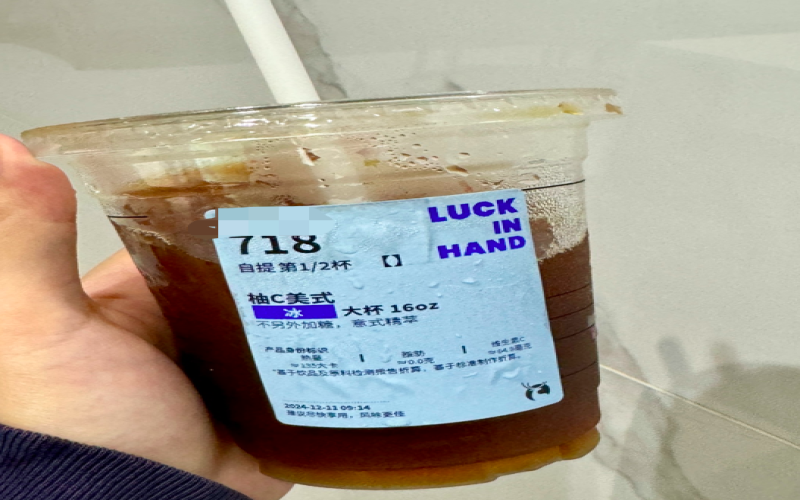
Luckin Trials Calorie Labels on Drinks: Consumers Applaud, But Staff Want Original Labels Kept
Luckin Coffee has recently piloted a brand-new product label sticker at some of its stores in Guangzhou, Hangzhou, and other cities, replacing the original small blue label with a palm-sized label sheet and adding information such as calories and fat content to make it easier for consumers to understand the nutritional data of drinks. This change aligns with the current trend in the tea beverage industry of giving drinks a "product ID" and has won recognition from many users. However, Luckin employees are quite unhappy about it, arguing that the large label does not show the order notes they need most and instead slows down order fulfillment efficiency. This controversy over the label stickers reflects the difficult balancing act brands face between consumer demand and frontline operational efficiency. [more…]
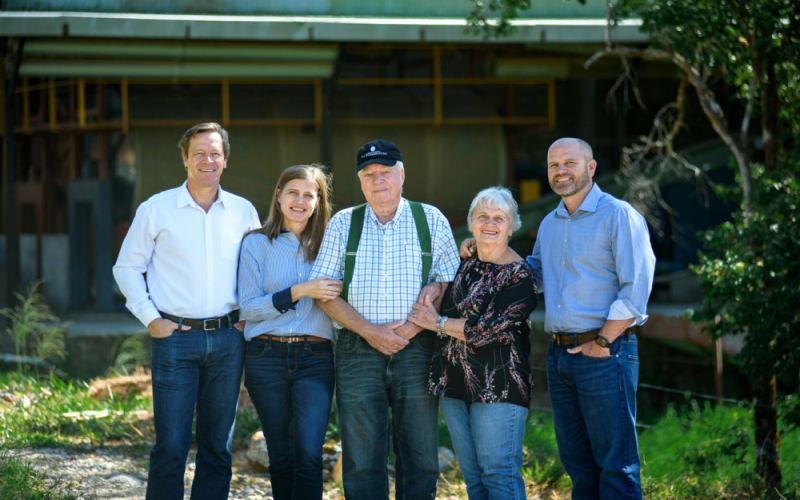
A Complete Guide to Panama Hacienda La Esmeralda Geisha Coffee: Flavor Profiles and Origins of the Three Brands—Red Label, Green Label, and Diamond Mountain
Hacienda La Esmeralda in Panama is the benchmark origin for Geisha coffee worldwide, and its three main brands currently on sale each have distinct characteristics: Esmeralda Special (Red Label Geisha) is a competition-auction grade, grown at 1,600–1,800 meters above sea level, scoring above 91 points in cupping, and available only through global auctions; Private Collection (Green Label Geisha) consists of non-competition micro-lots blended beans of excellent quality, offering better value for money; Diamond Mountain is a star product that is not Geisha, composed of Caturra and Catuai, and produced from the two farms Jaramillo and Cañas Verdes. Front Street Coffee offers both washed and natural lots for all three brands, with flavors ranging from tropical fruit to citrus and honey, each with its own merits. This article will provide a detailed interpretation of each brand's origin information, grade classification, processing methods, and cupping performance, helping coffee enthusiasts gain a comprehensive understanding of Hacienda La Esmeralda's product system. [more…]
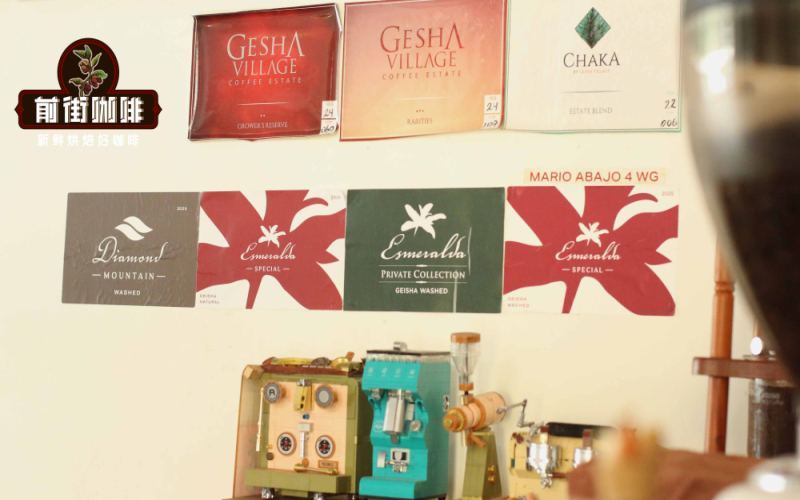
What are the differences between Gesha Village Gold Label and Panama Emerald Red Label? A clear explanation from variety and origin to flavor
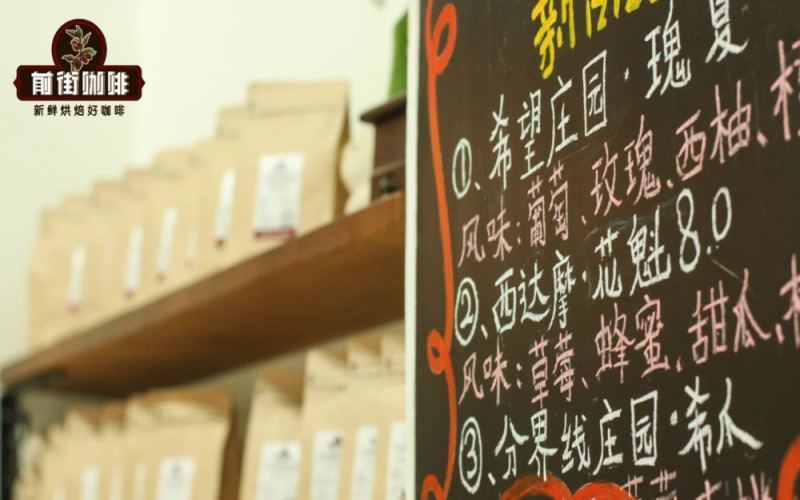
Geisha enthusiasts often see two "labels" on Front Street Coffee's blackboard: Hacienda La Esmeralda Red Label and Gesha Village Gold Label. The former is 75 yuan per cup as pour-over, the latter 60 yuan per cup. Both represent the top-tier Geisha of their respective estates, yet few people examine closely the differences in naming logic, variety origin, terroir, and cup profile. Starting from the two beans currently sold at Front Street Coffee, this article sorts out the origins of the Chinese-context names "Red Label" and "Gold Label," traces the varietal relationship between Panama Geisha and Gesha Village's "Geisha 1931," compares the terroir conditions of Hacienda La Esmeralda's Boquete region and Gesha Village's Bench Maji region, and through actual brewing comparisons, presents the specific dry aroma and flavor performance of these two top-tier Geishas. [more…]

Panama Hacienda La Esmeralda Red Label vs. Gesha Village Gold Label Geisha Coffee Beans Compared: A Thorough Analysis of Variety Origins, Terroir, and Pour-Over Flavor Differences
Geisha coffee has always been a top-tier player in the specialty coffee world, but when faced with Esmeralda Estate's Red Label and Gesha Village's Gold Label—two "label-tier" products in the Chinese-speaking context—many enthusiasts often can't tell how they relate to or differ from each other. Starting from Front Street Coffee's actual offerings, this article sorts out the naming logic, variety origins, and terroir of the two Geishas, and through comparative brewing, presents the specific performance of Gold Label Geisha and Red Label Geisha in dry aroma, entry-level flavor, and aftertaste. If you're about to try Geisha for the first time, or want to know whether Red Label or Gold Label is more worth trying, this article will provide a clear reference. [more…]
The Grading System of Panama Geisha Coffee: A Full Analysis of the Origins and Flavors of Red Label, Green Label, and Blue Label
Geisha coffee is known as the "ceiling of the coffee world," and its elegant white floral aromas and bright citrus-honey sweetness have captivated countless coffee lovers. However, when faced with Hacienda La Esmeralda's three brands—Red Label, Green Label, and Blue Label—many people feel confused: What exactly are the differences between them? This article will begin with the historical origins of Geisha, tracing the legendary journey of this variety from Ethiopia's wild forests to Panama's Hacienda La Esmeralda, and will analyze one by one the grading standards, producing plots, and flavor characteristics of Hacienda La Esmeralda's three major Geisha brands. At the same time, Front Street Coffee will also share product information on two popular Geisha coffees in-store, Red Label and Green Label, to help everyone have a clearer reference when making everyday purchases. [more…]
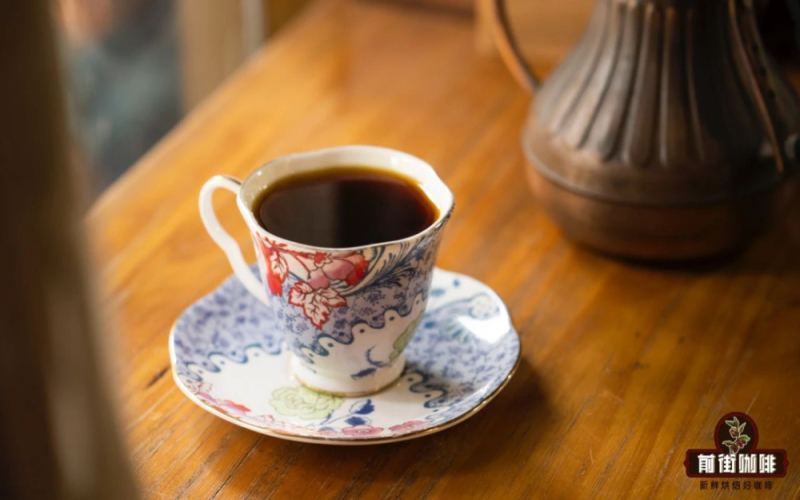
A Detailed Analysis of Gesha Village Gold Label Geisha: From Grade Markings to the Flavor Origins of Variety 1931
In the world of specialty coffee, Gesha Village's "Gold Label" often leaves enthusiasts both longing and confused—what exactly is the difference between it and Hacienda La Esmeralda's Red Label? And why is Gesha Village able to produce such expensive coffee? This article will begin with the Chinese-language context of "label" naming, sorting out the English product names and grading logic behind labels such as Gold Label, Red Label, and Green Label, then take a deeper look at Gesha Village's geographical location, growing conditions, and variety selection history, and break down in detail the variety origin, plot management, and cupping performance of Gold Label Gesha. Finally, Front Street Coffee will share a complete brewing recipe for a Gold Label Gesha to help you extract the rich layers of this rare treasure at home. [more…]
Ethiopia Gesha Village Gold Label Gesha: A Full Analysis of the Grades and Varieties of Gold Label Batch Geisha Beans
Geisha coffee is often classified in China by terms such as Red Label, Gold Label, and Green Label, but what exactly do these "labels" represent? What are the similarities and differences between the labeling systems of Gesha Village and Hacienda La Esmeralda? Starting from the common questions at Front Street Coffee's stores, this article systematically sorts out the naming logic of Gold Label Geisha, the geographical and varietal background of Gesha Village, and the grade positioning of Gold Label lots. It also explains in detail the relationship between Geisha 1931 and Panama Geisha, and includes the origin information and brewing suggestions for Front Street Coffee's Gold Label Geisha, helping coffee enthusiasts fully understand the origins and development of this rare treasure. [more…]
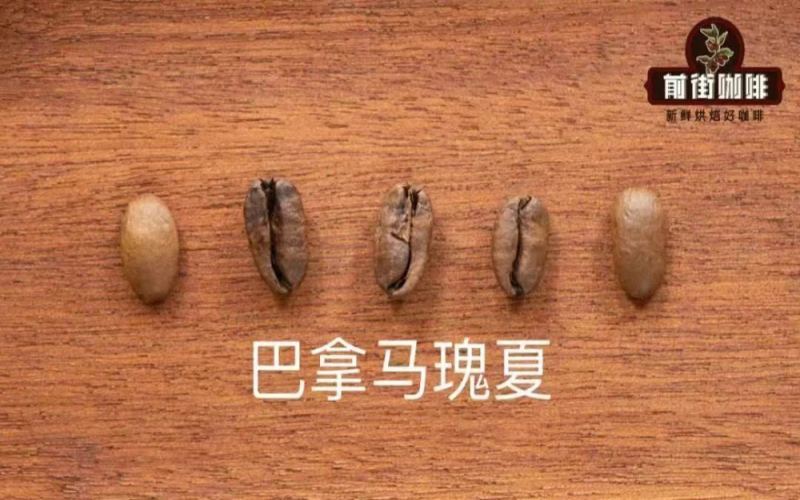
Tracing the Origin of Geisha Coffee Beans: Panama Emerald Estate Geisha Flavor and Interpretation of the Red, Green, and Blue Labels
Gesha coffee is hailed as the king of coffee, and the Geisha produced by Panama's Hacienda La Esmeralda is the benchmark among them. But do you know where the name Gesha comes from? And what are the differences between Red Label, Green Label, and Blue Label? From the perspective of Front Street Coffee, this article systematically sorts out the origin, growing conditions, and flavor performance of Panama Hacienda La Esmeralda Gesha, and analyzes one by one the characteristics and brewing suggestions of the Red Label auction lots, the Green Label private collection, and the original Blue Label lots. It will also briefly introduce the performance of Gesha from Colombia, Costa Rica, and other places, helping you understand this legendary coffee bean more comprehensively. [more…]

Tracing the Origins of Panama's BOP Competition: Hacienda La Esmeralda Geisha Red, Green, and Blue Label Grades and Their Brewing Flavor Analysis
The Panama BOP (Best of Panama) is the world's first green coffee competition. Since its inception in 1996, it has profoundly advanced the development of specialty coffee, and Hacienda La Esmeralda's Geisha shot to fame in 2004. Hacienda La Esmeralda meticulously grades its Geisha by altitude and plot, forming a three-tier system of Red Label, Green Label, and Blue Label. This article systematically reviews the origins of the BOP competition and auction, the history and plot divisions of Hacienda La Esmeralda, analyzes in detail the definitional differences between Red Label, Green Label, and Blue Label, and includes Front Street Coffee's brewing parameter recommendations and flavor descriptions, providing coffee lovers with a complete guide to Geisha knowledge. [more…]
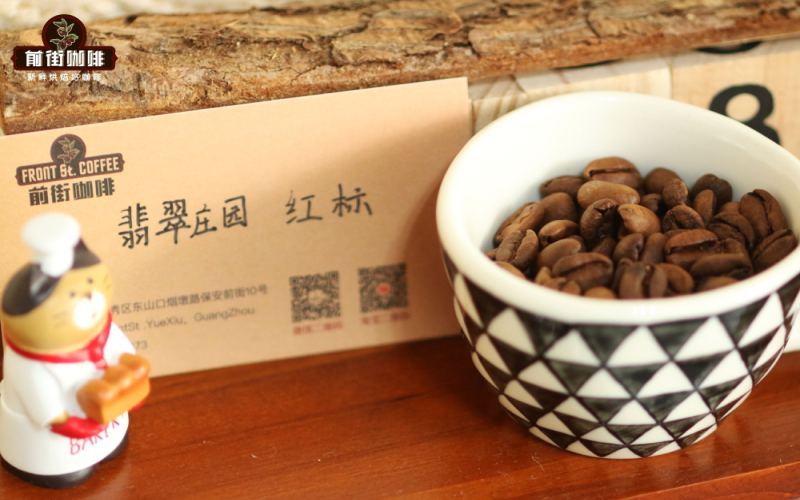
What exactly is Panama Red Label Geisha? A comprehensive interpretation of the origin and flavor of Hacienda La Esmeralda Geisha
Red Label Geisha refers to the top-tier Geisha lots produced by Hacienda La Esmeralda in Panama, enjoying an extremely high reputation in the specialty coffee world, with auction prices repeatedly setting records. Hacienda La Esmeralda classifies its Geisha into three grades—Red Label, Green Label, and Blue Label—based on cupping performance and plot, with Red Label representing the highest quality. At the same time, Gesha Village Coffee Estate in Africa also has a product line called "Red Label," and the two are easily confused. This article will sort out the grading system of Red Label Geisha, the discovery and rise to fame of Hacienda La Esmeralda's Geisha, detailed information about the Jaramillo plot, and the specific parameters and steps for brewing Esmeralda Red Label Natural Geisha at Front Street Coffee's store, taking you through a comprehensive understanding of this legendary coffee. [more…]
Panama Emerald Red Label vs. Gesha Village Gold Label: A Side-by-Side Comparison—Which of the Two Top Geshas Is More Worth Buying?
Geisha coffee has always been a top-topic in the specialty coffee world, and on Front Street Coffee's bean list, Hacienda La Esmeralda's Red Label and Gesha Village's Gold Label are exactly the two that many enthusiasts find themselves torn between when first encountering Geisha. These two beans each represent the highest grade of their respective estates, yet because of the "red" and "gold" in their Chinese names, many people can't tell which is which. They differ not only in price, but also in variety origin, growing terroir, and flavor performance. This article systematically sorts out the similarities and differences between these two top Geishas for Front Street Coffee's customers—from naming logic and variety tracing to origin environment and actual cupping comparison—to help you find the cup that suits you best. [more…]
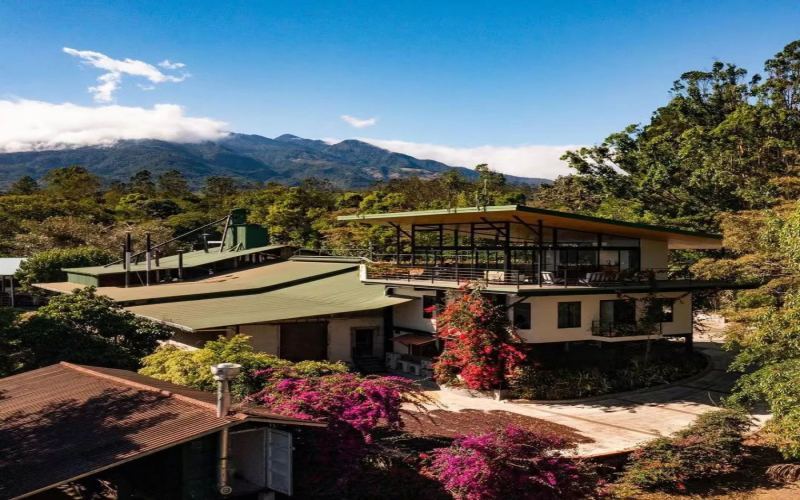
Panama Hacienda La Esmeralda vs. Ethiopia Gesha Village: Analysis of Red Label Geisha Coffee Bean Grading and Flavor Profile Comparison
Geisha coffee is undoubtedly one of the most sought-after varieties in today's specialty coffee world. It originated in the primitive forests of Ethiopia, yet rose to prominence at Hacienda La Esmeralda in Panama. As the specialty coffee market continues to expand, estates dedicated to growing Geisha have also emerged in Ethiopia itself, among which Gesha Village is particularly notable. In this article, Front Street Coffee will systematically trace the varietal origins of Geisha, provide a detailed interpretation of Hacienda La Esmeralda's three major grading standards—Red Label, Green Label, and Blue Label—and take an in-depth look at Gesha Village's auction, Gold Label, Red Label, Green Label, and Chaka lot systems, along with the region, altitude, variety, processing method, and flavor descriptions for each grade of Geisha coffee beans, helping coffee enthusiasts gain a comprehensive understanding of the stylistic differences among Geisha from different origins and key points for purchasing. [more…]

Comparison of the Grading Systems and Flavor Profiles of Gesha Coffee Beans from Ethiopia's Gesha Village and Panama's Hacienda La Esmeralda Red Label
Geisha coffee is a highly sought-after variety in the specialty coffee world. It originated in Ethiopia but rose to fame at Hacienda La Esmeralda in Panama. Today, Ethiopia's Gesha Village Estate has also secured a place in the market with its native Geisha variety. This article will trace the history of Geisha coffee's varietal spread, explain in detail the classification logic and flavor characteristics of Hacienda La Esmeralda's Red Label, Green Label, and Blue Label, and systematically introduce the standards and flavor profiles of Gesha Village Estate's five grades—Auction Lot, Gold Label, Red Label, Green Label, and Chaka—to help coffee lovers more clearly understand the differences between Geisha coffee from these two major origins, so they can choose products suited to their own taste. [more…]
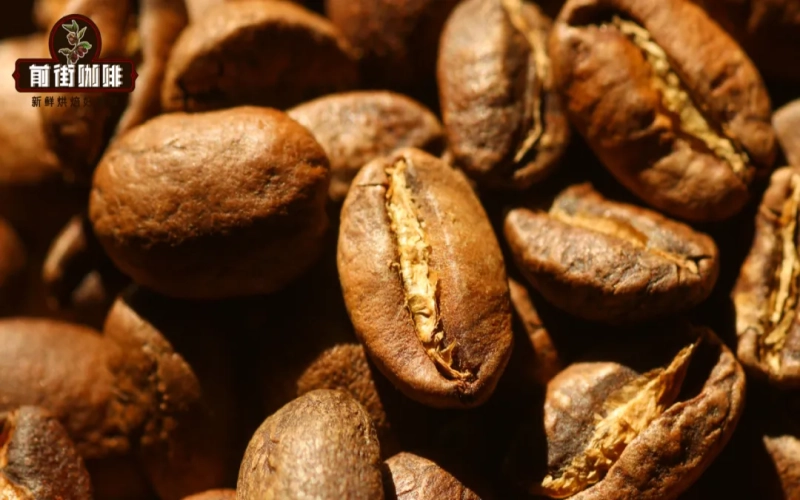
Gesha Village vs. Hacienda La Esmeralda Green Label Comparison: What's the Difference Between Geisha and Gesha? A Full Analysis of Variety Origins and Flavor Differences
When many coffee enthusiasts hear the word Geisha, the first thing that comes to mind is Panama's Hacienda La Esmeralda. But the Geisha variety actually originated in Gesha Village in Ethiopia. Front Street Coffee recently acquired both Hacienda La Esmeralda's naturally processed Green Label and Gesha Village's Green Label Geisha, and conducted a detailed flavor comparison of these two Green Label coffees through cupping and pour-over brewing. This article will guide you through the differences between Gesha Village and Hacienda La Esmeralda in terms of grading systems, variety origins, processing methods, and roasting approaches, and present their specific performances in aroma, acidity, sweetness, and aftertaste, helping you more clearly understand the relationship and differences between Geisha and Gesha. [more…]
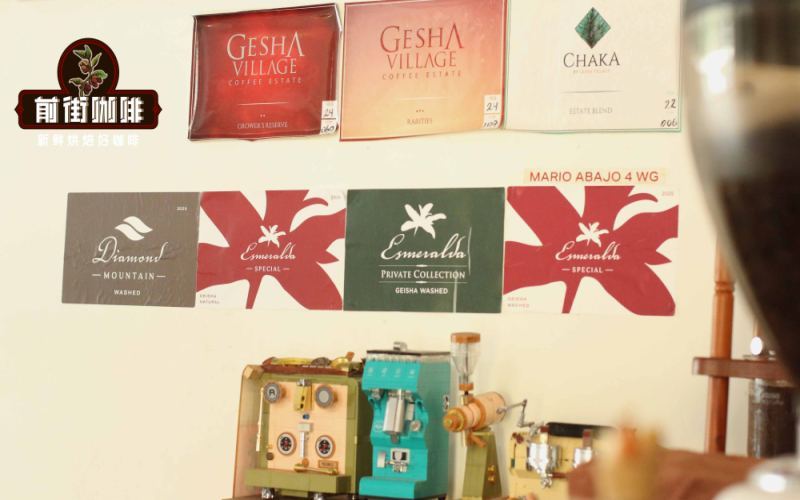
A Detailed Guide to Panama Hacienda La Esmeralda Geisha Grades: Differences and Flavor Comparison of the Three Main Grades—Red, Green, and Blue Labels
Panama's Hacienda La Esmeralda, with its refined Geisha grading system, has become a model emulated by many coffee estates. This article systematically sorts out the core differences among Hacienda La Esmeralda's three Geisha grades—Red Label, Green Label, and Blue Label—covering cultivation altitude, plot information, and blending models, while also providing an in-depth introduction to the estate's history, plot divisions, roasting recommendations, and brewing parameters. Front Street Coffee recently purchased the 2020 new-crop Blue Label Geisha, and by combining the cupping performance of the Red Label and Green Label, we guide you through a comprehensive understanding of the unique flavors and purchasing points of these three grades. [more…]
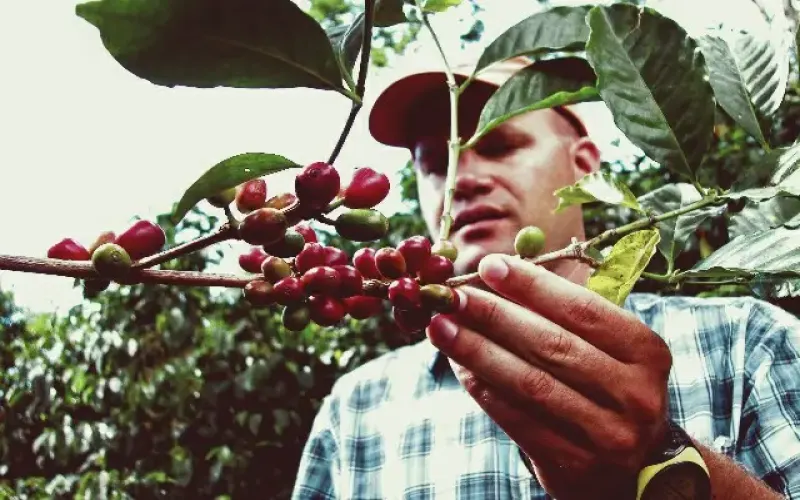
A Complete Guide to Geisha Coffee Grading: What Do Gold, Red, Green, and Blue Labels Mean in Terms of Quality Tiers?
Geisha coffee has been steadily rising in popularity in recent years, but faced with numerous grading labels such as auction, Gold Label, Red Label, Green Label, and Blue Label, many enthusiasts often feel confused. From the perspective of Front Street Coffee, this article systematically sorts out the origin and spread of the Geisha variety, using two major producing origins—the Gesha Village Coffee Estate in Ethiopia and Hacienda La Esmeralda in Panama—as clues to interpret one by one the classification standards, production proportions, flavor characteristics, and representative products of each grade of Geisha. At the same time, it includes the brewing parameters and flavor descriptions of two Red Label Geisha coffees from Front Street stores, helping readers make clearer judgments when purchasing and brewing. [more…]
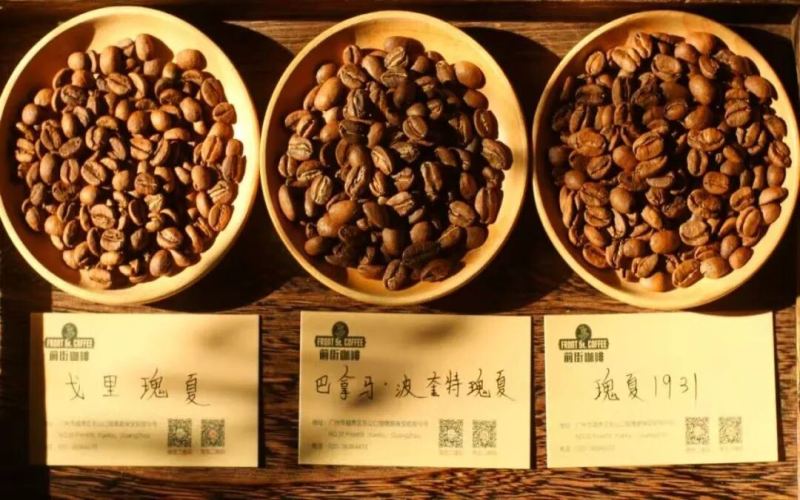
Gesha Village Coffee Grades | What Are the Differences in Flavor and Mouthfeel Between Ethiopia's Gesha Village Gold Label and Red Label Coffee?
Besides Hacienda La Esmeralda's Red Label and Green Label Geisha, there is another group of somewhat well-known "labeled" Geishas on Front Street Coffee's bean menu board. These are the Gold Label Geisha and Red Label Geisha from Ethiopia's Gesha Village. Front Street Coffee has previously shared the grading system of Hacienda La Esmeralda, and has also shared about two estates. [more…]
Panama Hacienda La Esmeralda Sun-Dried Geisha Comparison: What Exactly Is the Difference Between Blue Label and Green Label?
In the world of specialty coffee, the Geisha from Panama's Hacienda La Esmeralda is undoubtedly a benchmark existence. Front Street Coffee has recently simultaneously launched two Geisha offerings—the Natural Blue Label and the Natural Green Label—sparking curiosity among many coffee enthusiasts: both are naturally processed Geisha, so what exactly is the difference between the Blue Label and the Green Label? This article will begin with the origins and rise to fame of Geisha, outline the classification standards for Hacienda La Esmeralda's Red, Green, and Blue Label Geisha, and focus on comparing the similarities and differences between the Natural Blue Label and Natural Green Label in terms of altitude, production region, and flavor performance. At the same time, Front Street will also share the brewing parameters and tasting experience for the Natural Green Label, guiding you through a comprehensive understanding of the unique charm of each of these two Geisha offerings. [more…]
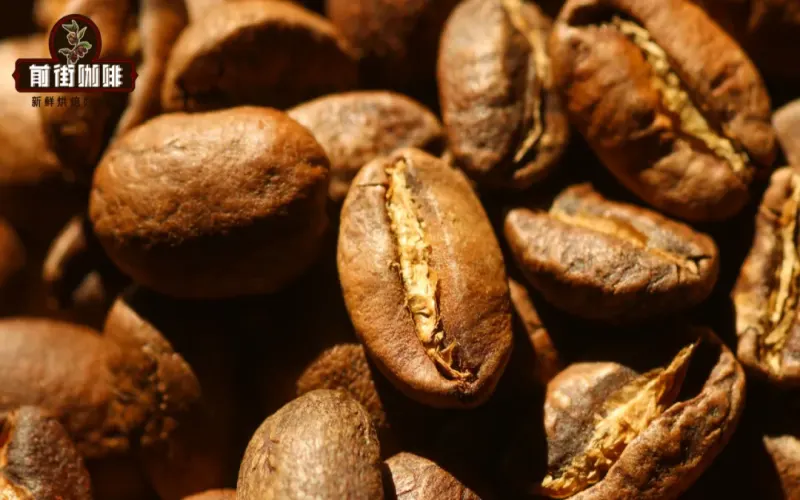
The Origins of Panama Geisha Coffee and a Brewing Guide to Hacienda La Esmeralda’s Red, Green, and Blue Label Geisha Flavors
Geisha coffee is famous for its enchanting floral aroma, and the Geisha from Panama's Hacienda La Esmeralda is the benchmark of the specialty coffee world. On Front Street Coffee's bean list alone, Hacienda La Esmeralda Geisha is divided into three grades totaling five types of beans—what exactly are the differences between them? This article begins with Geisha's Ethiopian origins, tracing its full journey through Kenya, Uganda, and Costa Rica before it finally shone brilliantly in Panama, and offers an in-depth analysis of the essential differences between Red Label, Green Label, and Blue Label in terms of production plots, bean appearance, and dry aroma performance. In addition, Front Street will share brewing parameters and staged extraction techniques for light-roasted Geisha, and describe one by one the flavor profiles of five beans—Natural Red Label, Washed Green Label, Natural Green Label, Washed Blue Label, and Natural Blue Label—helping coffee lovers gain a comprehensive understanding of this precious variety. [more…]
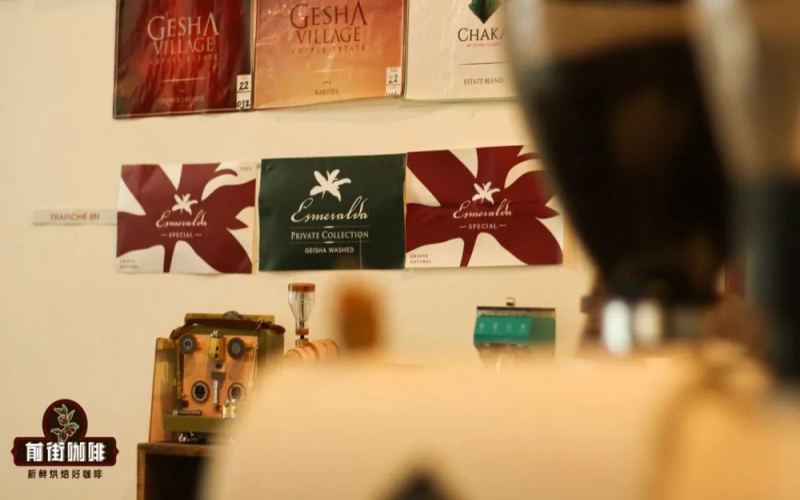
A Detailed Guide to Panama Hacienda La Esmeralda Geisha Coffee Grades: How Exactly to Choose Between Red Label, Green Label, and Blue Label
Geisha coffee has been highly sought after in the specialty coffee world in recent years, and the Geisha produced by Panama's Hacienda La Esmeralda is the benchmark among them. But when faced with the three grades—Red Label, Green Label, and Blue Label—many coffee enthusiasts often do not know where to start. What exactly do these three labels represent? What standards are they divided by? How big are the differences in flavor and price? This article will guide you through a systematic understanding of Hacienda La Esmeralda's Geisha grading system, breaking down everything from the estate's history, plot origins, and altitude to cupping performance, while also including Front Street Coffee's brewing suggestions and flavor descriptions to help you find the Geisha that suits you best. [more…]